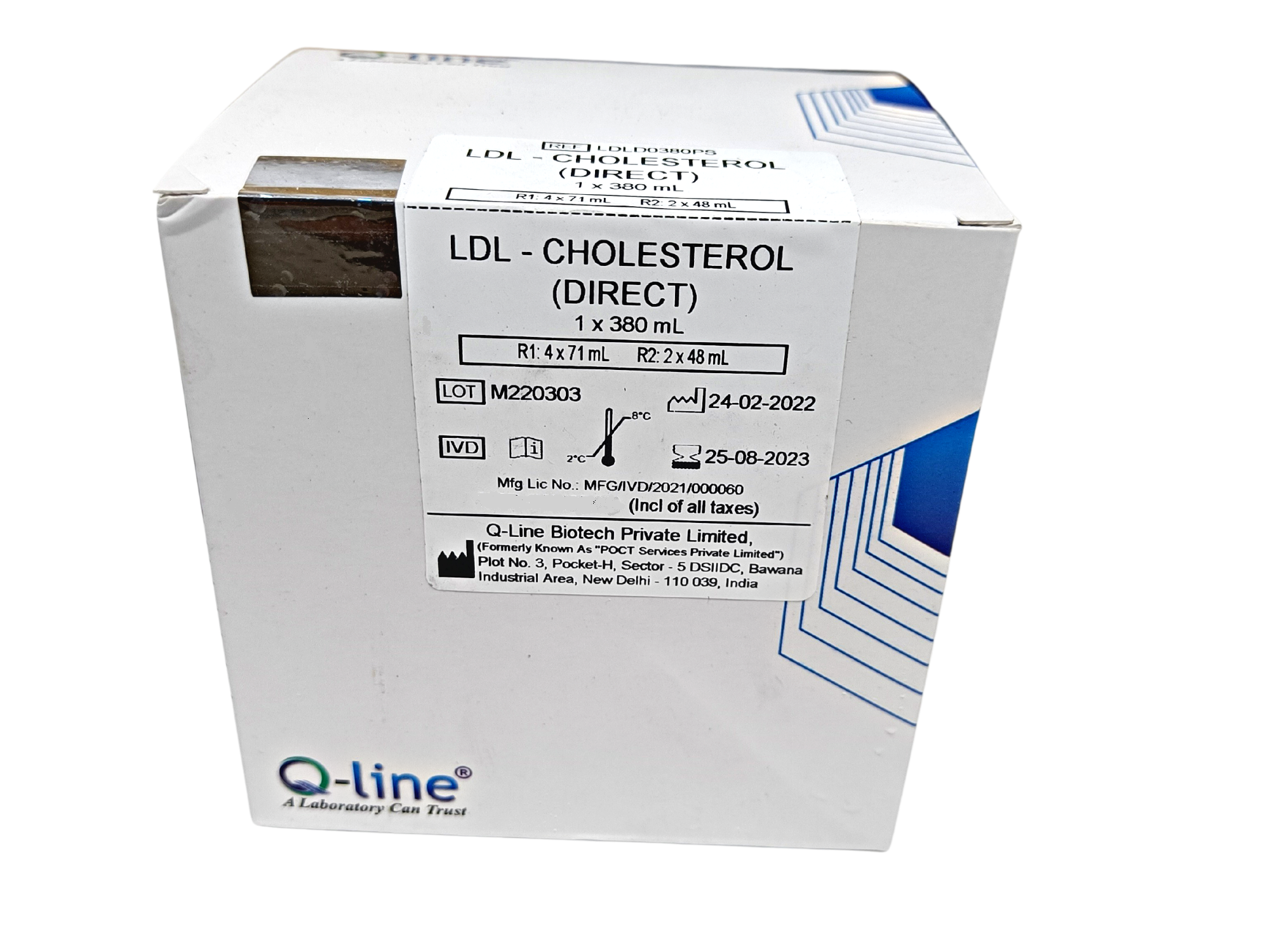
LDL-Cholesterol
Direct clearance method
| REF | Volume |
|---|---|
| N/A | N/A |
Product description:
LDLs are the major carriers of cholesterol in humans, responsible for supplying cholesterol to
tissues with the highest sterol demands. There are different sizes of LDL. Approximately
one-third of the intravascular pool is catabolised per day and three-fourths of the circulating
LDL is cleared through the liver. Circulating LDL levels can be increased in individuals who
consume large amounts of saturated fat and/or cholesterol. LDL levels are also elevated in those
who have genetic defects that affect LDL receptor function (familial hypercholesterolemia).
Clinically, the abnormal elevated level of LDL in human blood has been confirmed to be a main
independent risk factor for the process of atherosclerosis.
Uptake of LDL by macrophages and endothelial cells results in intracellular oxidation of LDL.
Alternatively, free radicals generated by the auto-oxidation of homocysteine (favoured in
individuals with high serum levels of homocysteine) can also oxidize extracellular LDL. The
production of oxidized LDL in early plaques appears to be a key event driving atherosclerosis.
Oxidized LDL is preferentially taken up by the scavenger receptor on macrophages, resulting in
formation of foam cells. Oxidized LDL is also toxic to endothelial cells and promotes
pro-inflammatory cytokine release, which further stimulates atherogenesis by recruiting
additional inflammatory cells. Oxidized LDL is also a direct chemo attractant for
macrophages/monocytes as well as smooth muscle cells.
